Ask a General Dentist: Is It Time to Replace My Toothbrush?
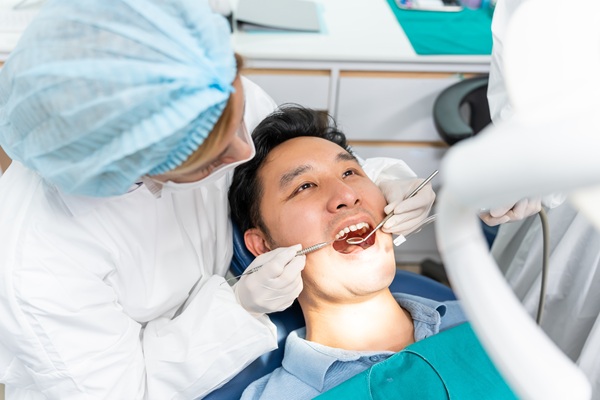
Many patients brush their teeth twice a day yet still deal with plaque buildup, gum irritation, or lingering bad breath. A general dentist often finds that the issue is not a lack of effort but rather a toothbrush that no longer cleans effectively. Bristles wear down gradually, so it can be difficult to notice when performance drops. Replacing a toothbrush on the right schedule supports healthier gums, cleaner teeth, and a more confident smile.
Why toothbrush replacement matters for your health
A toothbrush depends on the resilience and alignment of the bristles to function correctly. When new, these fibers are straight and flexible enough to sweep the gumline and the narrow gaps between teeth. Over time, the constant friction against tooth enamel causes the bristles to splay. Once the fibers begin to bend outward, the brush can no longer make proper contact with the surfaces where plaque hides.
Beyond the mechanical failure of the bristles, hygiene is a significant factor in whether to replace a toothbrush. Even with thorough rinsing, a brush head can accumulate microscopic debris and bacteria at the base of the bristles over several weeks. Continuing to use a contaminated or worn-out brush can lead to ineffective cleaning and gum irritation.
A general dentist's standard schedule for toothbrush replacement
The general recommendation is to replace one's toothbrush at least every three months, a timeframe based on the average wear and tear associated with twice-daily brushing. This recommendation applies to both manual toothbrushes and electric brush heads.
However, some patients may need to switch out their toothbrushes more frequently. Heavy-handed brushing techniques can cause bristles to flare in as little as six weeks, at which point the tool is no longer performing optimally. Illness also dictates a change in equipment. Germs associated with the flu, a cold, or a throat infection can linger in the damp environment of the bristles long after a patient has recovered. Discarding the brush after the symptoms clear is a standard hygiene practice to prevent the reintroduction of bacteria to the mouth.
Visible signs of a worn-out toothbrush
A simple inspection of one's toothbrush head from the side or top can reveal when the tool has lost its integrity. If the bristles appear flattened, frayed, or leaning in multiple directions, the cleaning power is compromised. Other indicators general dentists recommend looking out for include:
- The presence of persistent discoloration or odor at the base of the bristles
- The teeth no longer feel clean or smooth, even after two minutes of brushing
- Increased gum sensitivity or discomfort during a routine that was previously comfortable
Another common indicator is when the patient needs to apply greater pressure with the brush to achieve results. A toothbrush should need only gentle pressure to remove sticky plaque. Scrubbing too hard with an old toothbrush can strip the enamel and irritate the soft tissues in the mouth. Fortunately, a new toothbrush can clean the teeth safely, without damaging them, and with less effort.
Talk to a general dentist in an appointment
Typically, a general dentist recommends replacing a toothbrush or electric brush head about every three months, or sooner if bristles fray or illness occurs. Regular replacement supports better cleaning, fresher breath, and a more comfortable daily routine. To review your brushing technique or find the right brush type for your needs, contact us today for an appointment.
Request an appointment here: https://www.508dentist.com or call 508 Dentist at (508) 301-9909 for an appointment in our North Attleborough office.
Check out what others are saying about our dental services on Yelp: General Dentist in North Attleborough, MA.
Related Posts
3D dental scans are revolutionizing the way dentists diagnose and treat a wide range of oral health conditions. Unlike traditional X-rays, 3D dental scans provide a detailed, three-dimensional view of the teeth, jaw, and surrounding structures, enabling more accurate diagnoses and precise treatment planning. This advanced imaging technology is becoming vital in modern dentistry, enhancing…
General dentistry refers to routine oral health care, whether that be oral hygiene or preventive measures, such as keeping bad breath at bay. Nobody wants to have bad breath, and more often than not, it is easily preventable. General dentists often recommend a few different things, which can go a long way in maintaining a…
A dental bridge replaces one or more missing teeth by anchoring a lifelike “pontic” to neighboring teeth or implants. This fixed option restores chewing, speech clarity, and a natural-looking smile line. By filling the space, a dental bridge helps prevent drifting teeth, changes in bite, and excessive wear on remaining enamel. The material, whether porcelain…
Complications after a tooth extraction are uncommon, but understanding the warning signs helps protect long-term oral health. During healing, problems such as infection, dry socket, or prolonged bleeding can occasionally develop. Knowing what to watch for and when to call a dentist supports a smoother recovery. Below are a few things to watch for after…